

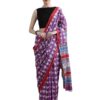
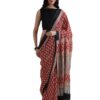
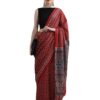
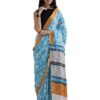
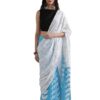
The Breathable Heritage: Why the Jaipuri Cotton Mulmul Saree is a Summer Icon
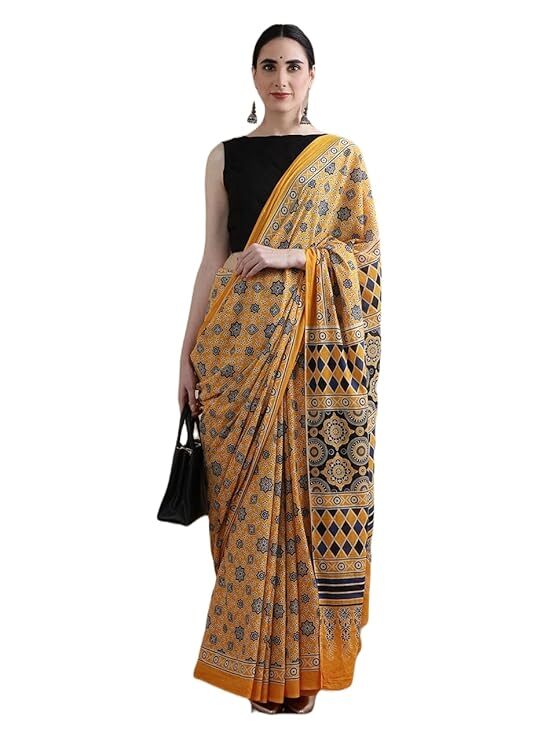
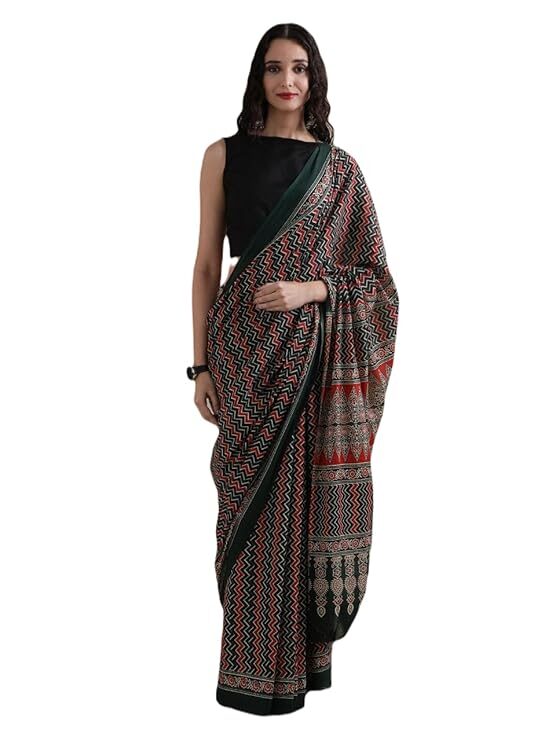
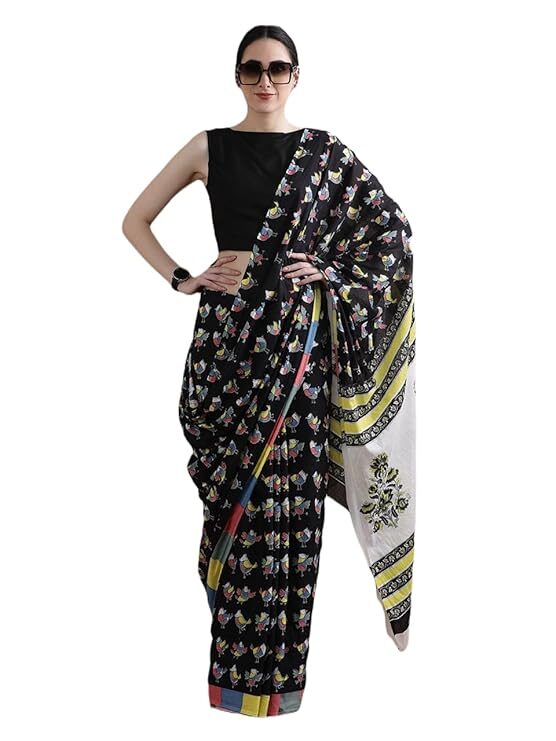
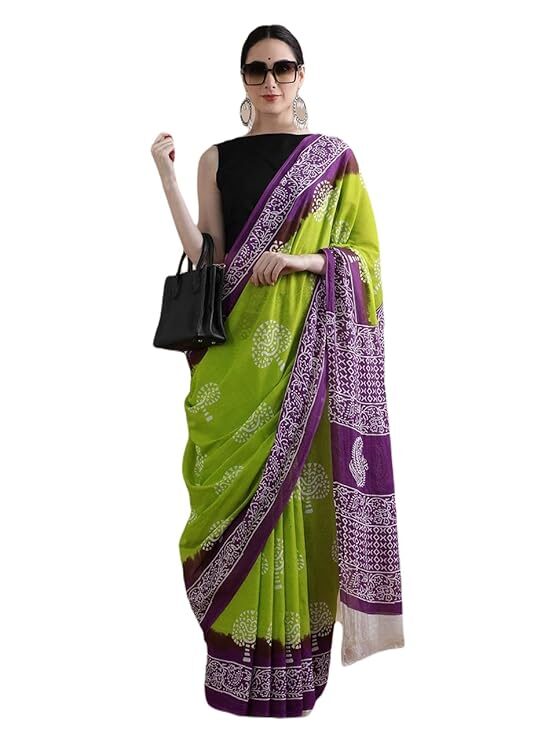
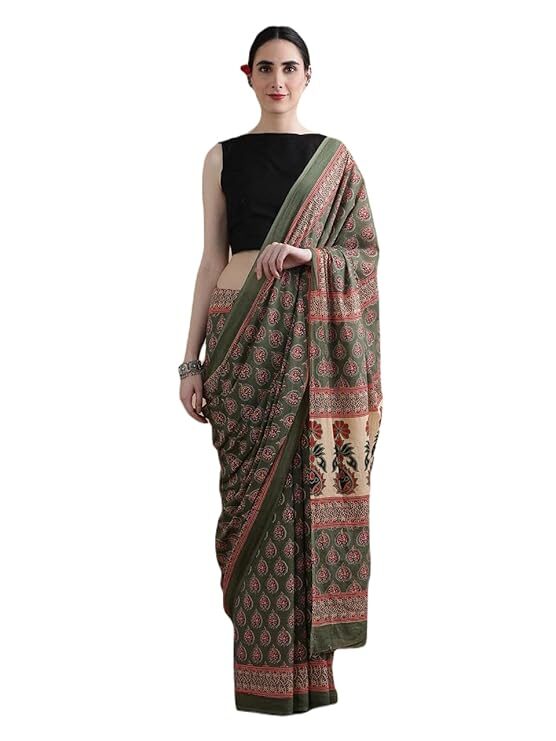
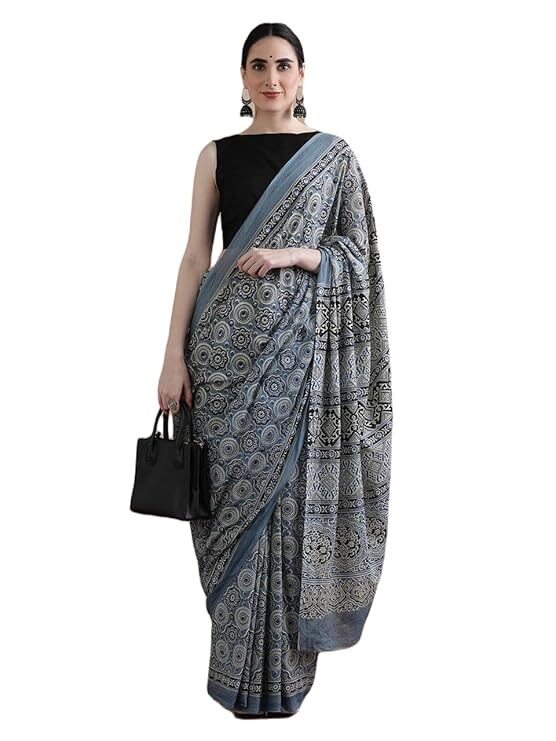
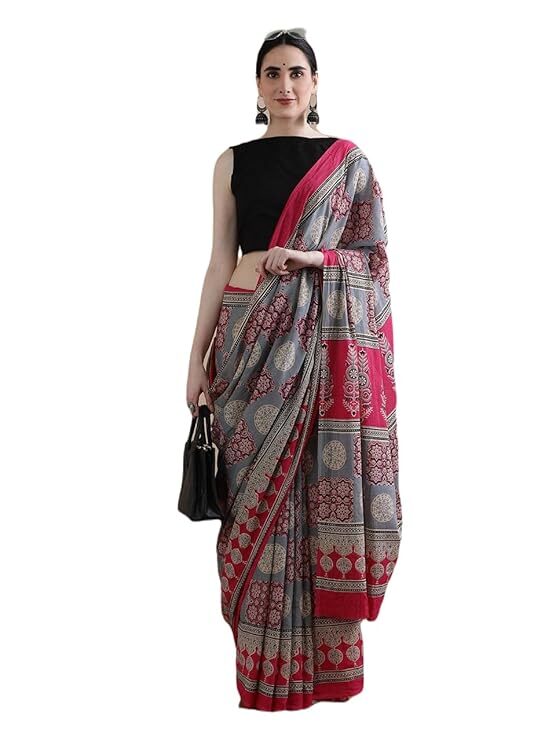
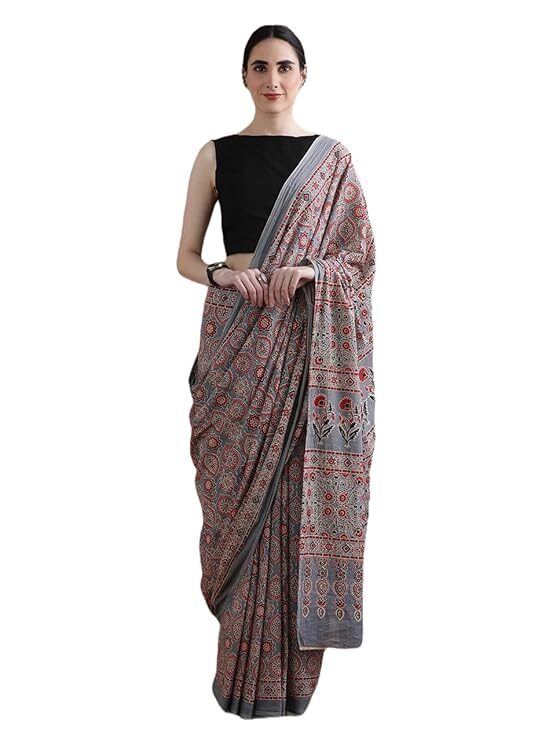
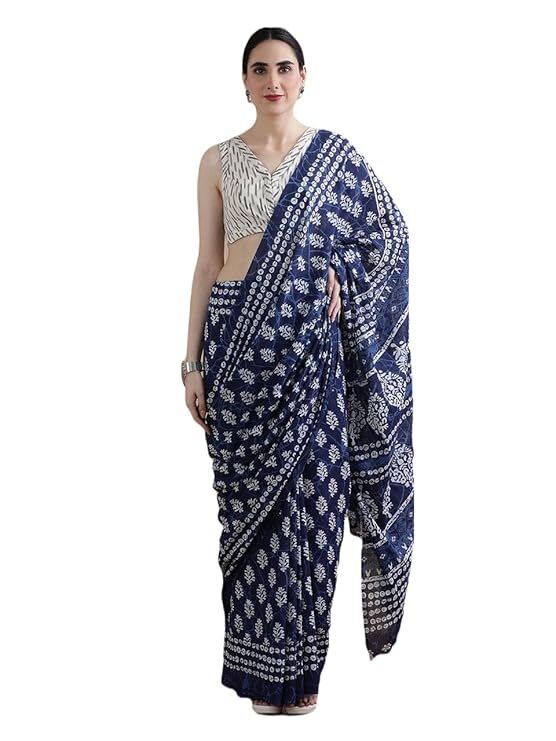
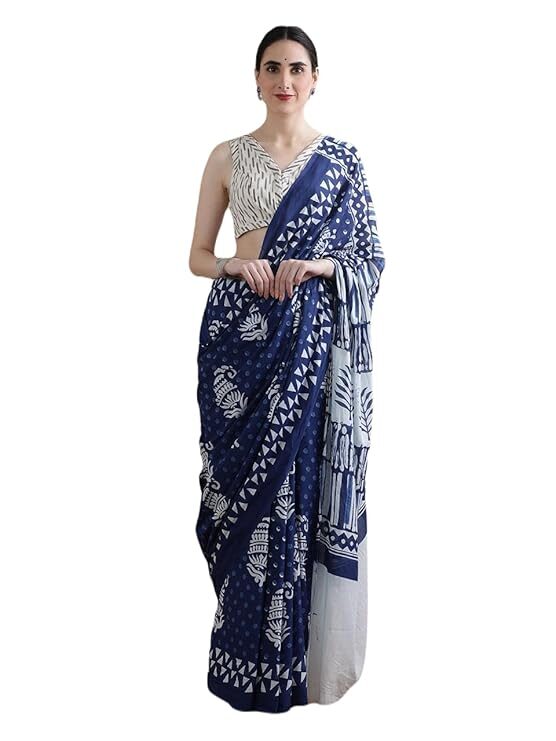
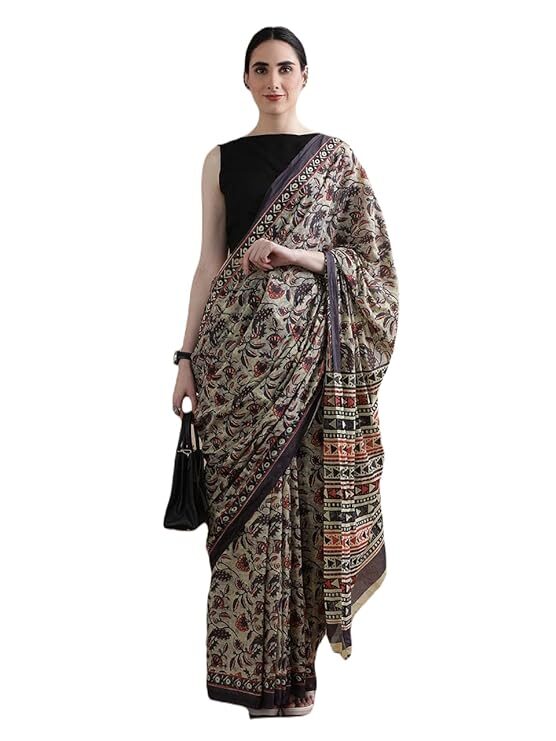
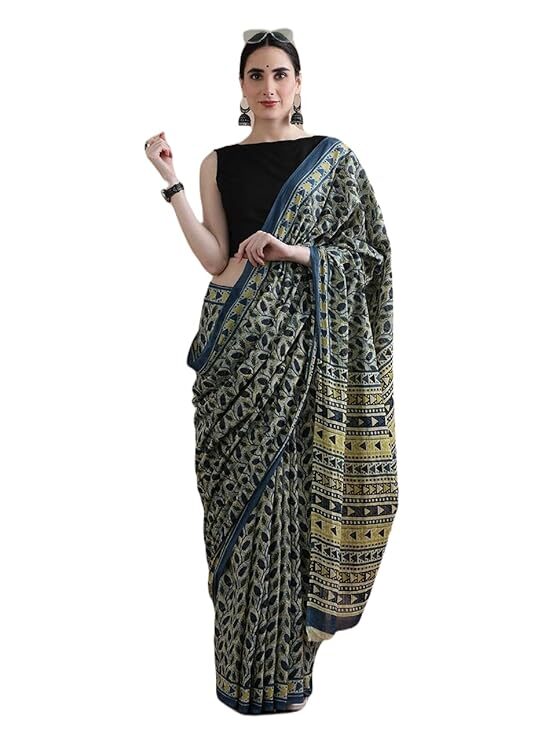
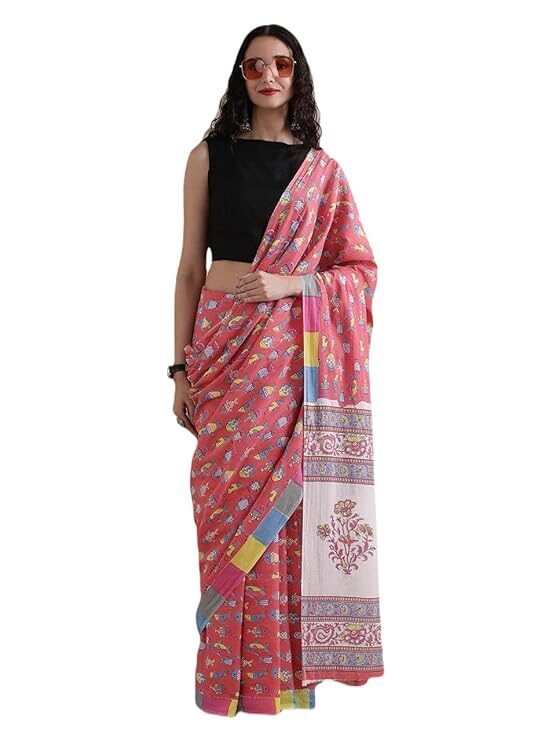
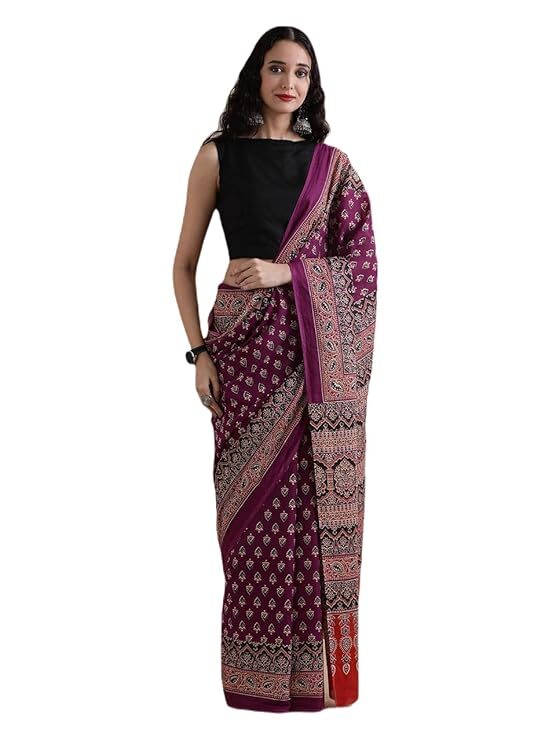
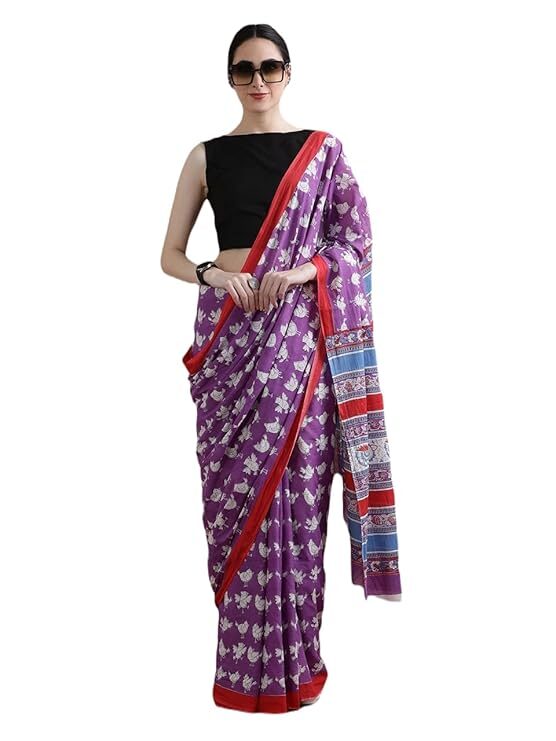
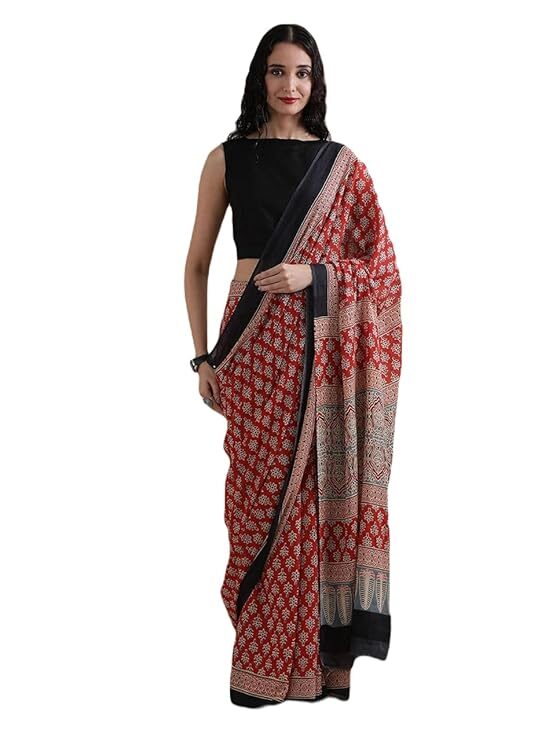
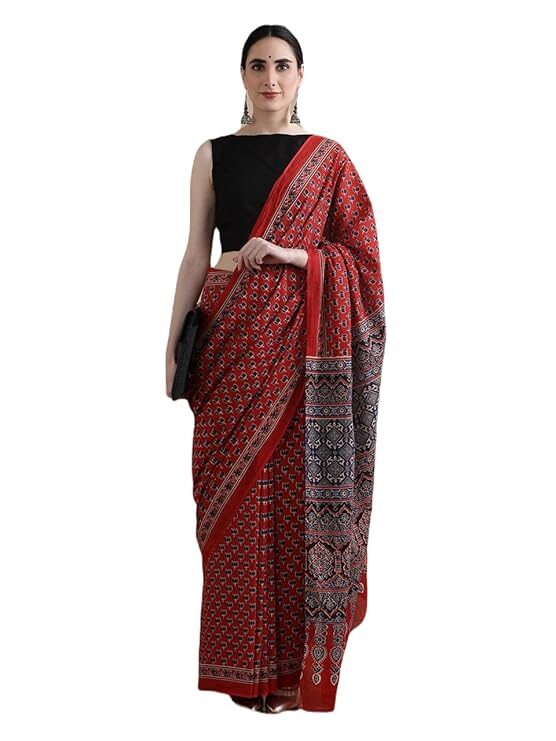
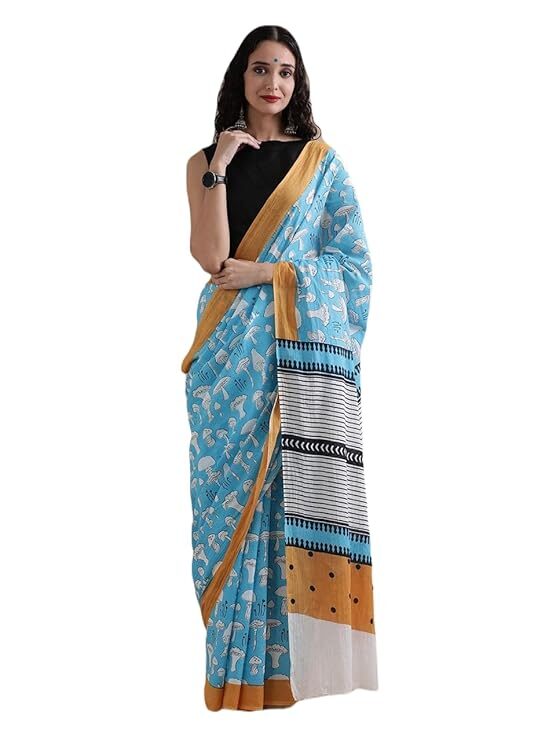
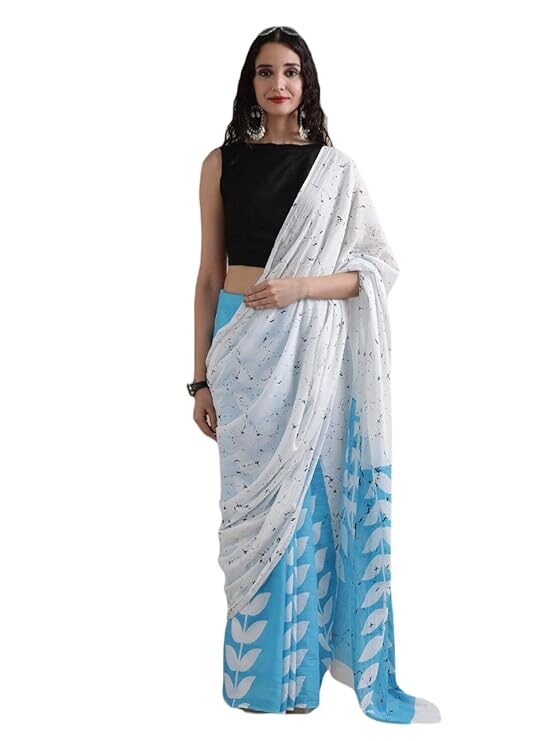
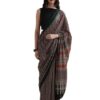
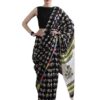
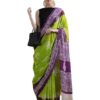
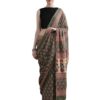
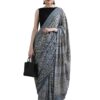
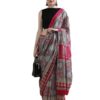
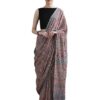
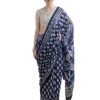
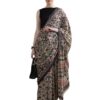
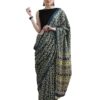
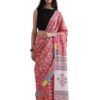
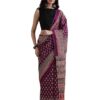
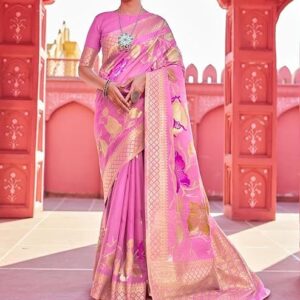
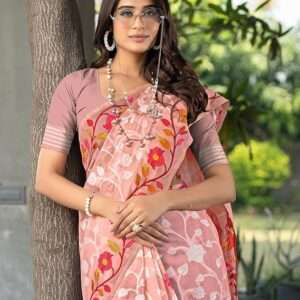
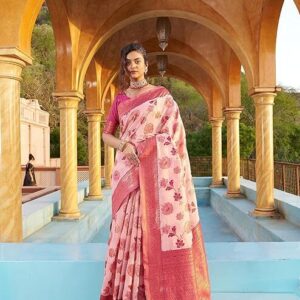
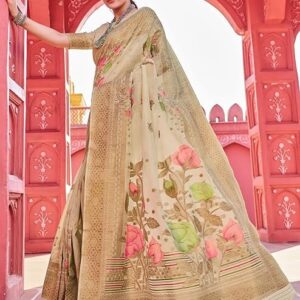
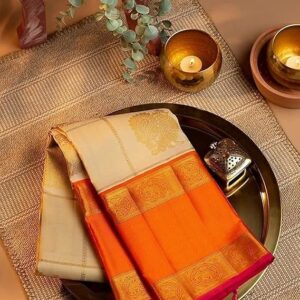
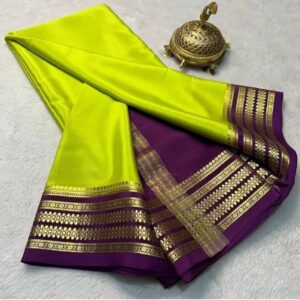
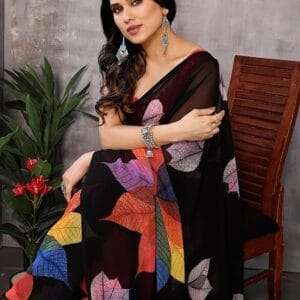
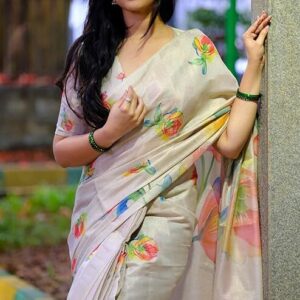
The Jaipuri Cotton Mulmul Saree remains a crown jewel of Indian ethnic wear, offering a blend of breathable comfort and artistic heritage. Hand-crafted in the heart of Rajasthan, this fabric actively supports a woman’s need for style during sweltering summers. Because the weave is so fine, enthusiasts often call it “woven wind.” When you choose this drape, you are not just wearing a garment; you are carrying a piece of history.
The Art of Mastering the Drape
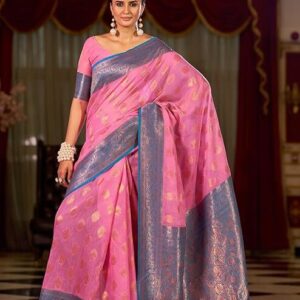
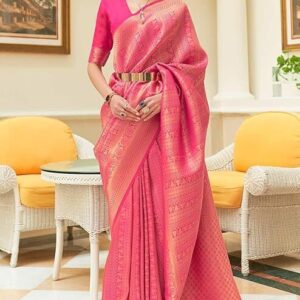
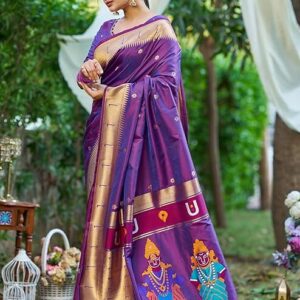
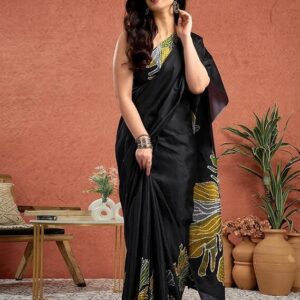
Learning how to wear a saree effectively begins with understanding the fabric’s flow. To drape a saree like a professional, start by tucking the end into your waistband and making one full turn. The secret of how to drape saree perfectly lies in the pleats; for Mulmul, ensure you create wider pleats to give the cotton a structured look. If you want to know how to look slim in saree, always pin your pallu in a sleek, pleated fashion rather than leaving it floating. Many ask, saree pallu which side? Traditionally, you should drape the pallu over your left shoulder. For a cultural twist, learning how to wear bengali saree involves a unique box-pleat method and a front-drape pallu that exudes vintage charm. Similarly, if you explore how to wear marathi saree or how to wear nauvari saree, you will find a trouser-like tucking style that allows for incredible mobility.
Occasions and Regional Styles
The versatility of the Jaipuri Cotton Mulmul Saree allows it to fit into various cultural contexts. For younger girls, knowing how to wear half saree (the Langa Voni) is essential for South Indian festivities. You might wonder, what is half saree ceremony? It is a traditional rite of passage celebrating a young girl’s transition into womanhood. If you are attending a grander event and want something heavier, you must know where to buy original banarasi saree in varanasi—the Chowk and Peeli Kothi areas are the most authentic hubs. For those wondering how to wear saree in winter, simply layer your Mulmul with a trench coat or a high-neck cashmere sweater for a chic, fusion look. Even in the world of art, the image of the “Saree” is iconic; if you are an artist learning how to draw a teacher in saree, focus on the graceful fall of the pleats and a professional high-neck blouse.
Styling, Jewelry, and Upcycling
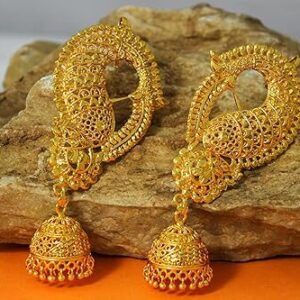
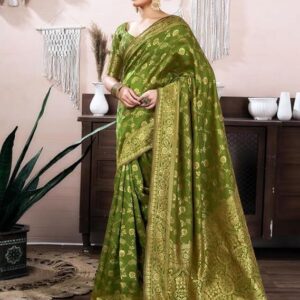
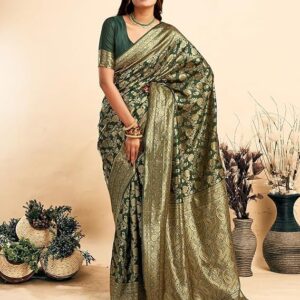
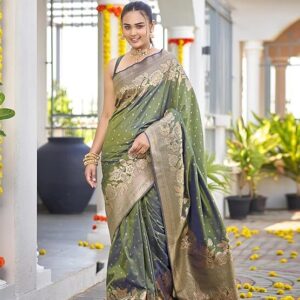
Mastering the aesthetic involves knowing how to choose jewellery for saree. For a Jaipuri print, oxidized silver or terracotta pieces work best, whereas gold is the standard for silk. If you are stuck on color coordination, such as which colour blouse to wear with green saree, consider a contrasting hot pink or a sophisticated gold. Regarding skin tones, which colour saree suits for dark skin? Rich jewel tones like mustard yellow, emerald green, and deep maroon look absolutely stunning. If you have an aged wardrobe, learning how to make old saree to dress—like a long maxi dress or a shrug—is a great way to practice sustainable fashion.
Modern Tools and Step-by-Step Guides
In today’s digital age, you can even use AI to visualize your look; for example, if you want to know how to make saree photo in gemini, you can simply prompt the AI to generate a high-fidelity image of a woman in a specific drape. Finally, for a foolproof result, follow a how to wear saree step by step guide: tuck, wrap, pleat, and pin. This systematic approach ensures your Jaipuri Cotton Mulmul Saree stays secure and elegant all day long.
Quick Saree Tips Checklist:
Slimming Effect: High-waist tucking and small pleats help you look taller.
Pallu Placement: Always over the left shoulder for the standard Nivi style.
Jewelry Match: Pair cotton with oxidized silver; pair silk with gold.
Maintenance: Iron cotton sarees before draping to remove “light wrinkled behavior.”

































































Reviews
There are no reviews yet